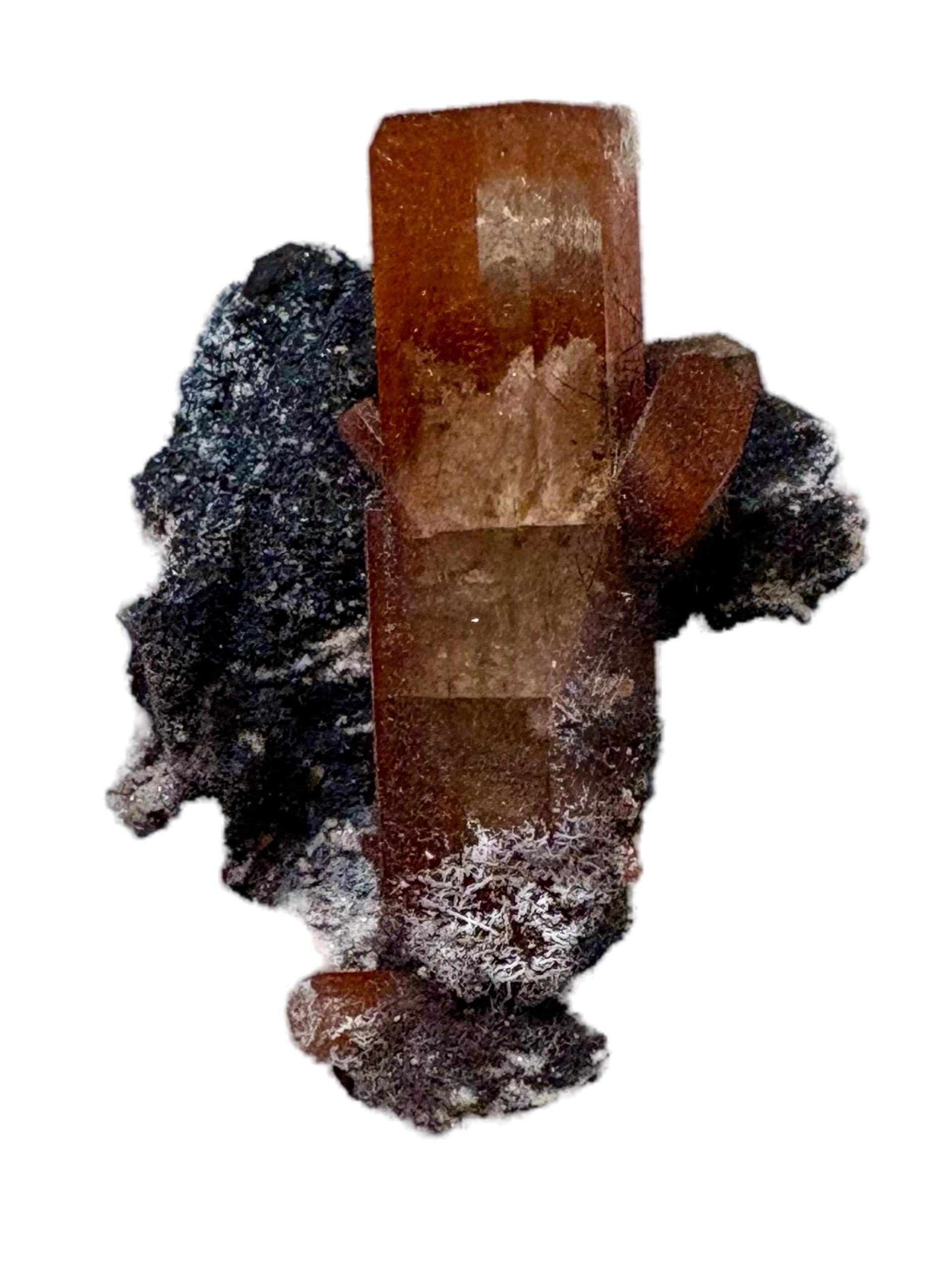
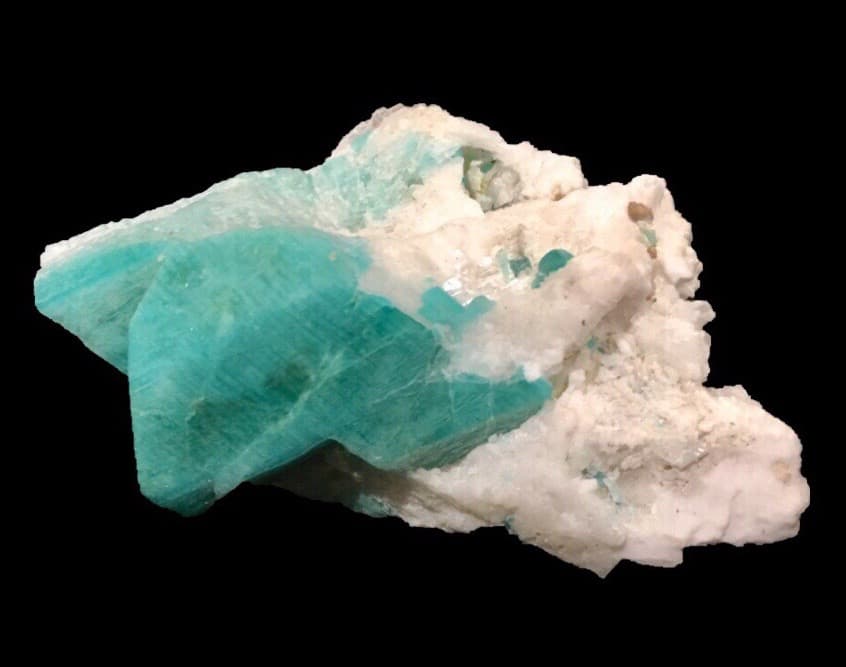
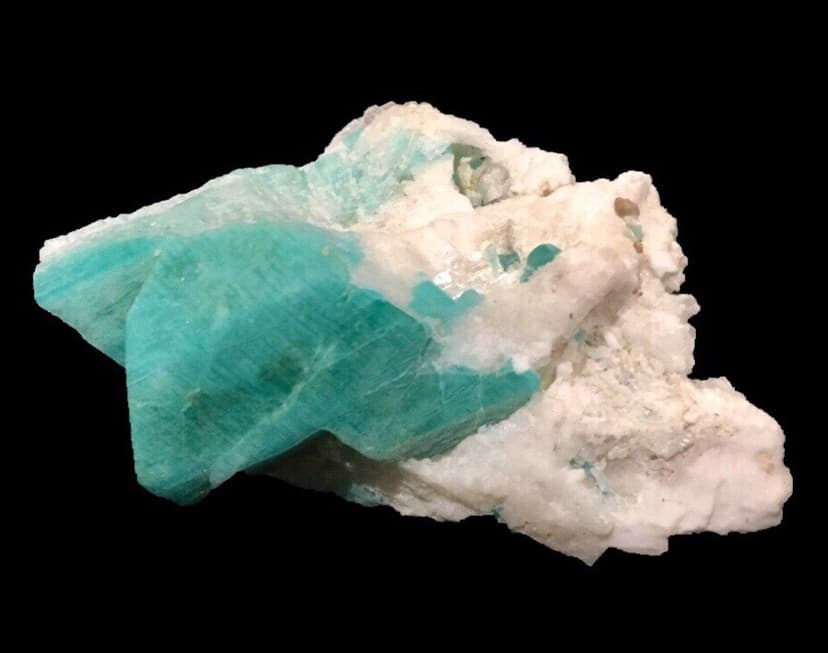
Topaz is a silicate mineral composed of two primary elements, aluminum and fluorine. Its high hardness on the Mohs scale, coupled with its wide range of colors, has made it a popular choice for jewelry making.
Topaz
Uses
Topaz’s high strength has made it a popular ornamental gemstone, with widespread use in pendants, earrings, necklaces, and other types of jewelry. In addition, fluorine compounds can be extracted from Topaz, and it has been used in ceramic and glass manufacturing in rare cases for this purpose.
Notable Localities
Topaz forms in granitic pegmatites (a type of coarse-grained igneous rock) when vapors rich in fluorine react with aluminum and silica in cooling magma. The Minas Gerias province of Brazil is the largest producer of Topaz, specifically of the red-orange Imperial variety. Pakistan is famous for its pink-hued deposits, while the San Luis Potosí-area rhyolites are famed for their collectible reddish-colored crystals. The Thomas Range of Utah is the most notable American locality, yielding yellowish-orange crystals prized by rockhounds.
Found At


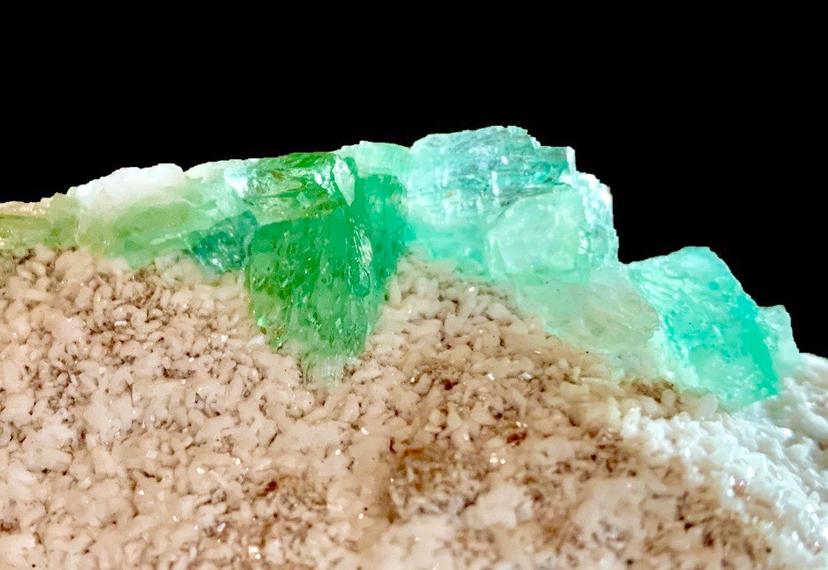
| Properties | |
|---|---|
| Chemical Formula | Al2SiO4(F,OH)2 |
| Hardness | 8-8 |
| Crystal System | Orthorhombic |
| Mineral Class | Silicate |
| Luster | Vitreous |